Connecting at-risk LGBTQ+ youth to local community
Encircle | Design Strategy, Product Design
Encircle | Design Strategy, Product Design
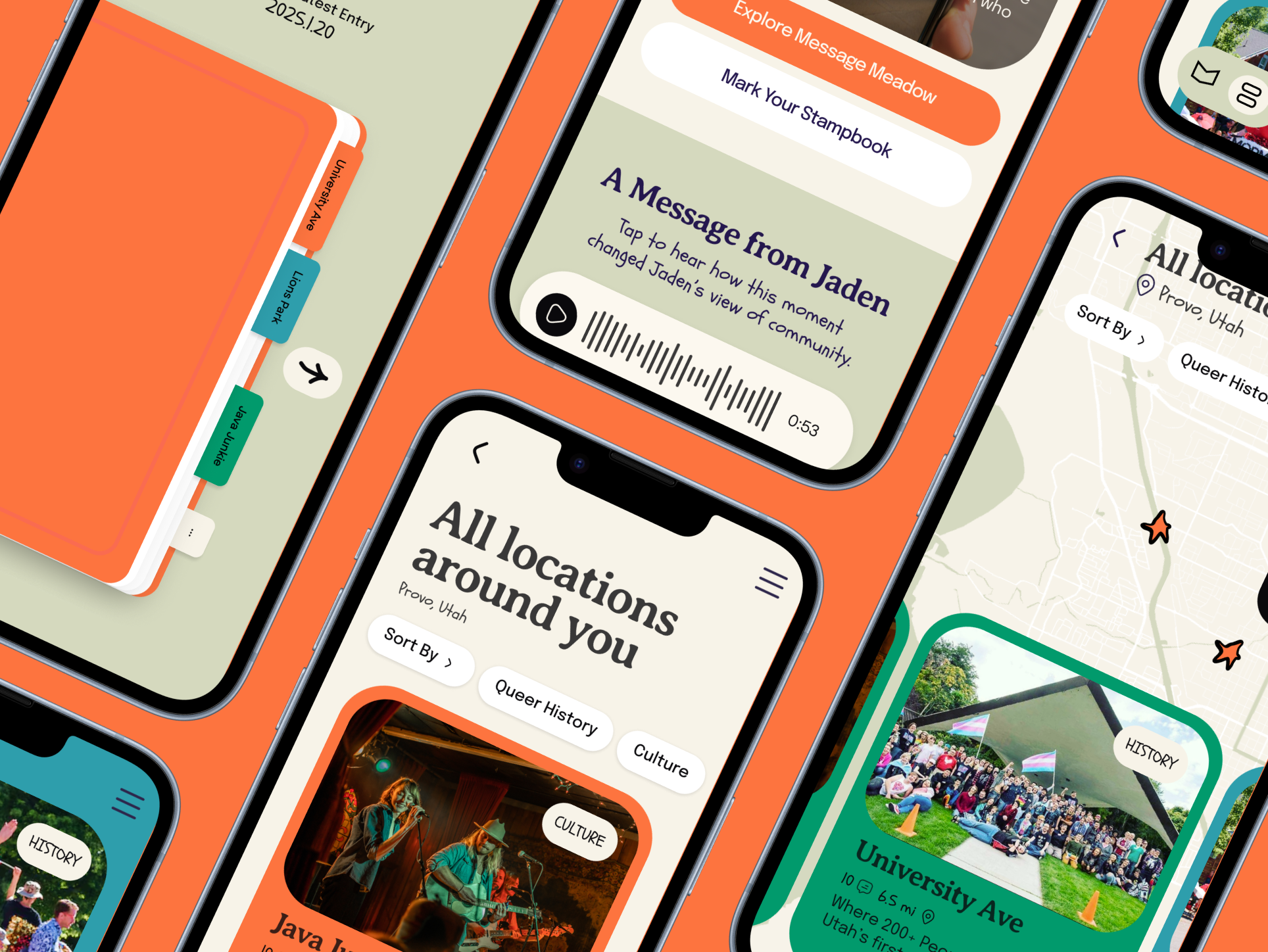
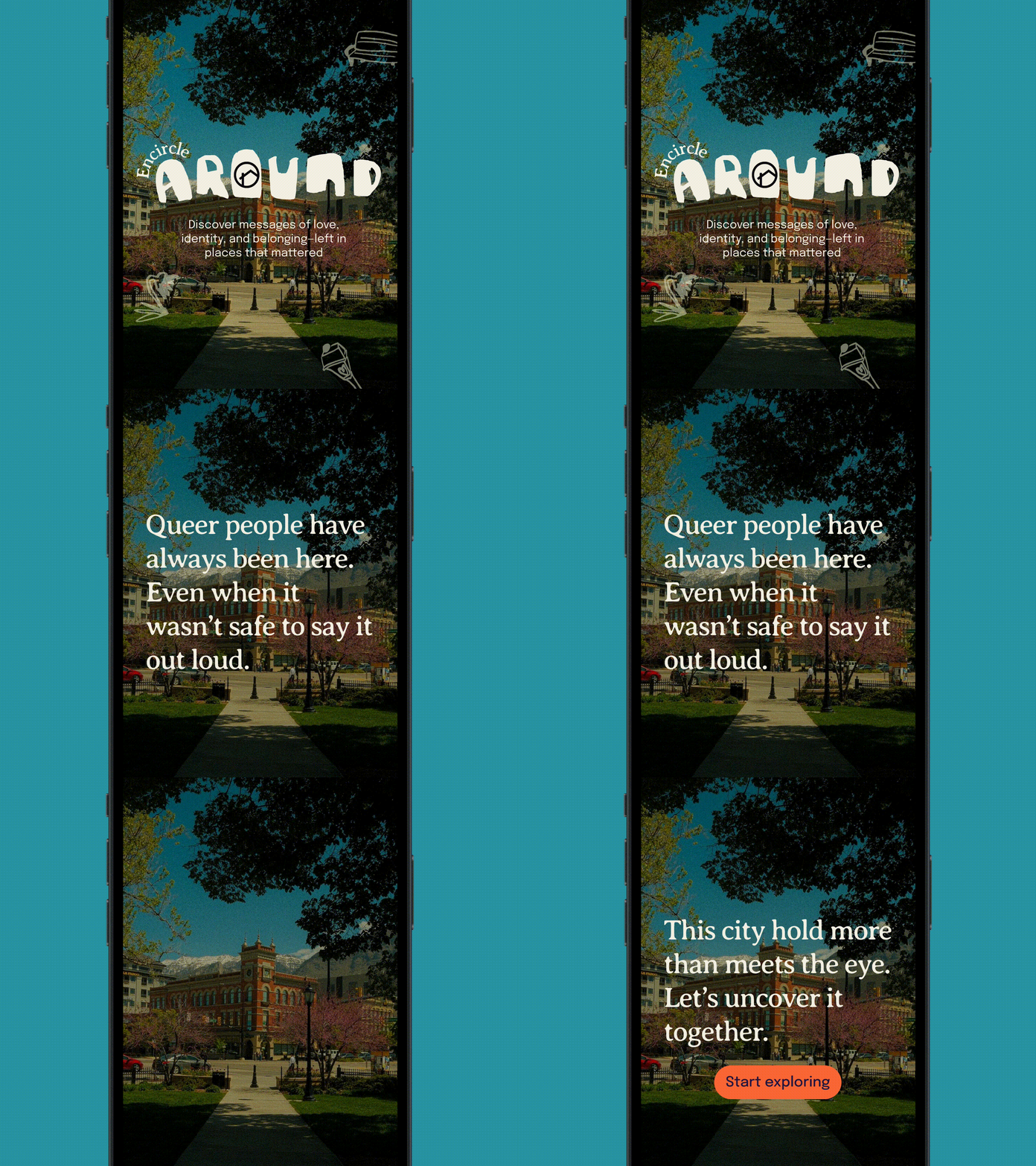
Encircle Around: The Belonging Map is a place-based digital experience that helps LGBTQ+ youth discover queer community in their everyday surroundings—without requiring them to be seen before they’re ready.
Partnering with Encircle, I reframed a scaling challenge to providing services that welcome different levels of emotional readiness. My team and I uncovered that many youth live near support resources but can’t cross the threshold yet due to fear in person interactions. Through interviews, prototyping, and co-design with queer youth and community leaders, we designed a mobile exploration experience that reveals queer stories, history, and messages embedded in ordinary places—offering a gentle on-ramp to belonging.
18-week Stanford d.school capstone · Awarded the Robert H. McKim Award
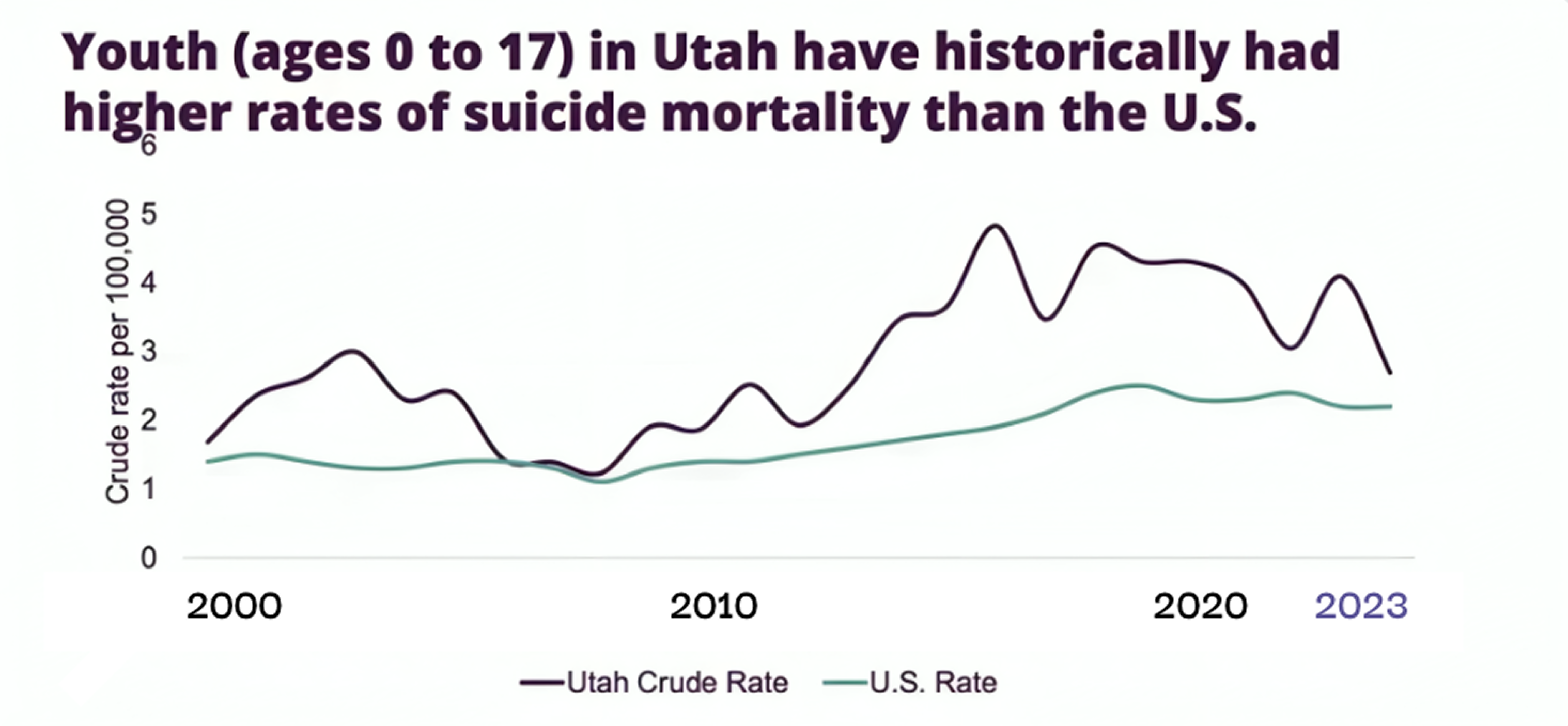
In Utah, suicide is the leading cause of death among youth. The state's rates consistently exceed the national average—and for LGBTQ+ youth, the risk is about 25% higher still.
Encircle was founded in response to this crisis. Since 2017, they've provided over 200,000 mental health services through physical homes designed to feel welcoming and safe. Four centers currently operate across Utah, with a fifth opening in 2025.
However, the current brick and mortar model comes with a high operational cost and startup cost for each new home. Encircle challenged us to explore ways to expand their core service model to address concerns about scalability and sustainability, ensuring long-term viability and committed support from donors for their important and life-saving work.
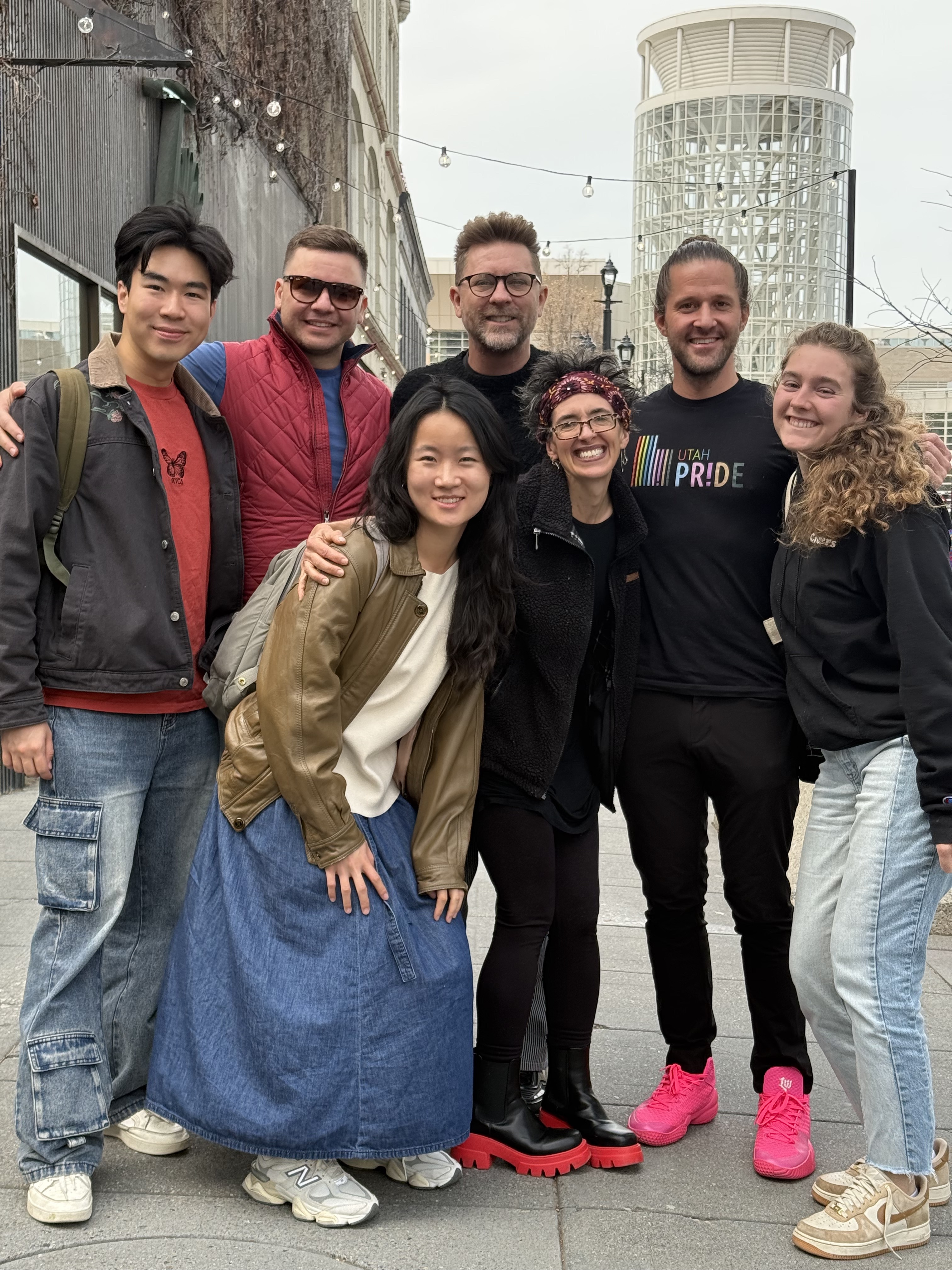
Our project started by conducting 10+ in depth interviews with queer young adults, Encircle staff, and local queer community centers to understand (1) what queer youths need to feel belonging and cared for, and (2) strengths and gaps in Encircle’s current offerings.
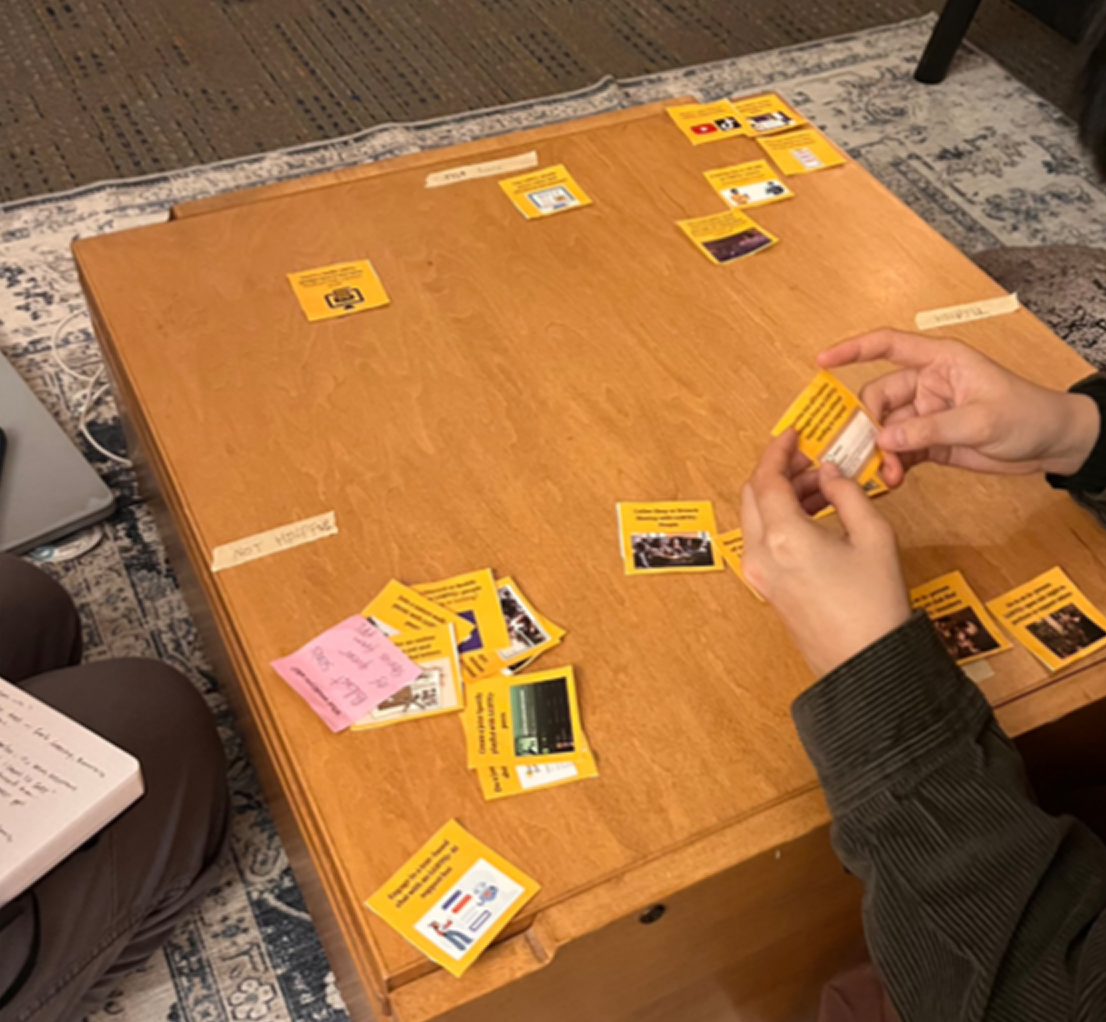
During our interview with the queer young adults, we invited them to do a card sorting activity: we gave them a range of activities printed on cards (for example meeting people on zoom, queer discord channel) and asked them to map it on a matrix of scary v.s. Helpful. This helped us understand what they found helpful when they were younger and trying to learn and feel comfortable with their identity
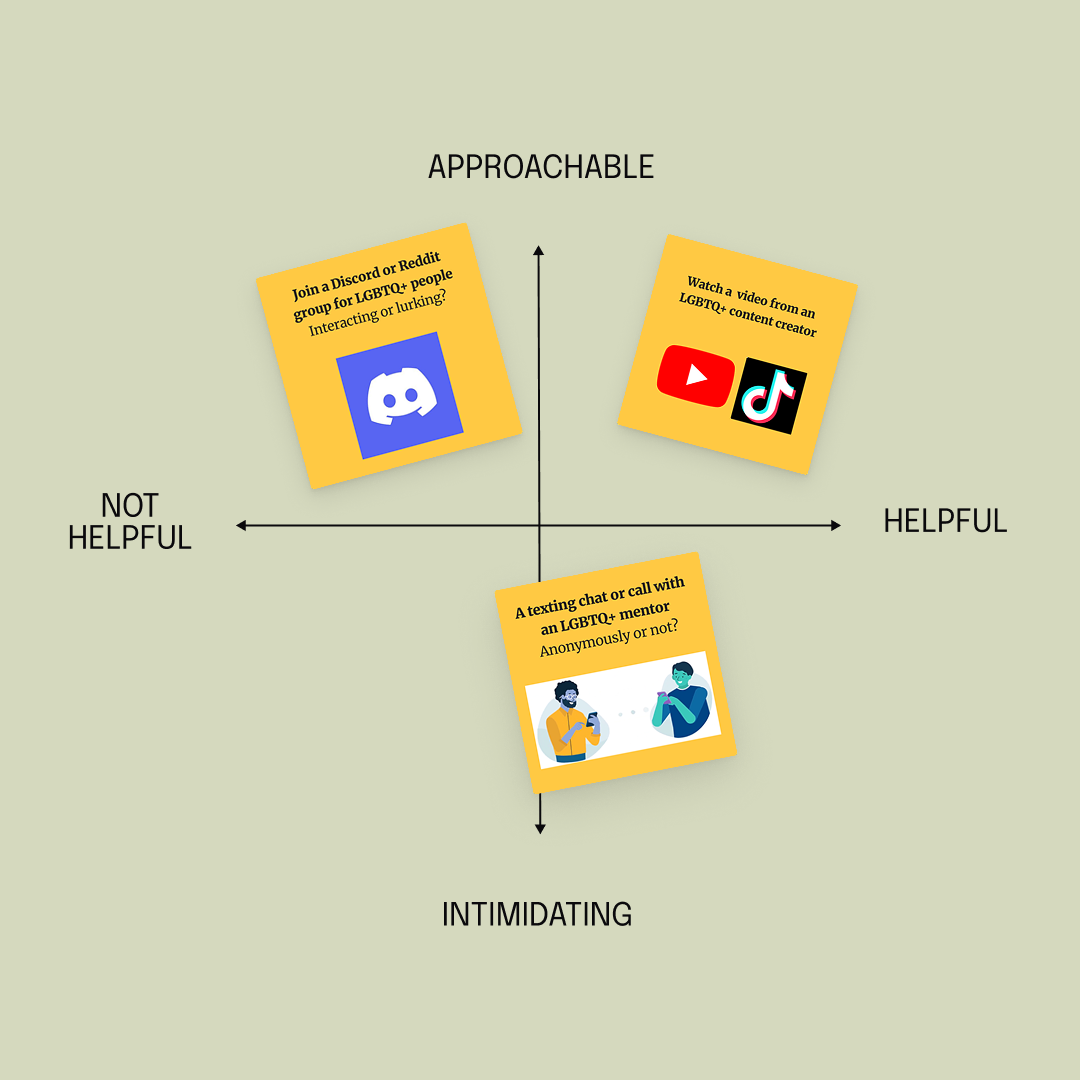
We noticed that access gaps are not just physical—it's also emotional. Many youth are in a tender stage of self-discovery, quietly scrolling through queer content in their bedrooms. But attending public queer spaces—even welcoming ones—feels risky. In conservative communities, being seen entering an LGBTQ+ center could mean being outed with devastating consequences.This led us to reframe our challenge—How do we support youth who aren't emotionally ready to be seen yet—helping them experience queer community on their own terms?
“It’s sad to see a lot of people walk up the stairs and turn away”

Encircle Program Director
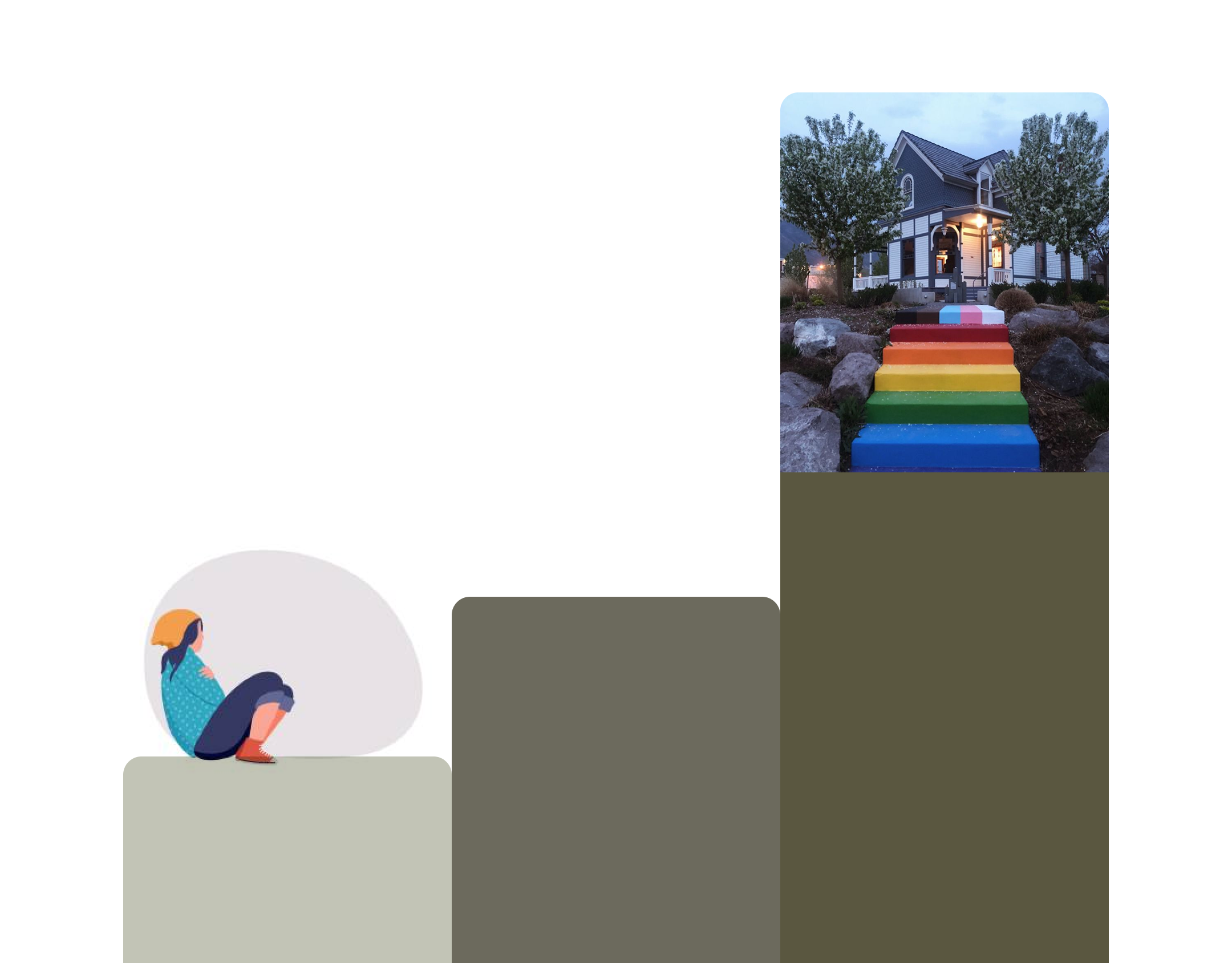
We needed something that creates connection without face-to-face interaction, feels safe but not isolating. But what does that look like?
We prototyped several directions—care packages, collaborative art activities, queer history walking tour, and a pen pal system matching youth with volunteer mentors. We continued to test each prototype with queer youths and community leaders that we have been in touch with, gathering feedback on what may create more connection without feeling intimidating.
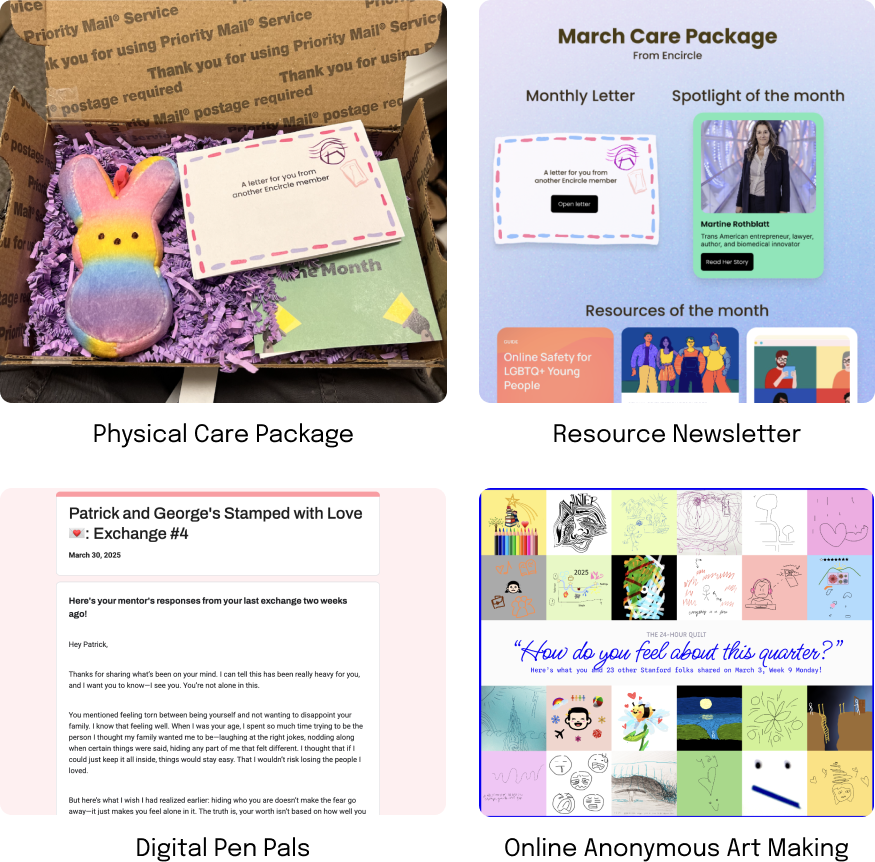
While many of the prototypes did not make it to the final product, each taught us important insights that led to our final solution:
Care packages showed personalization creates connection, but couldn't scale or reach youth safely
Resource newsletter maybe scalable and have low emotional barrier, but it lacks that personal touch that feels like real connection
Art quilt proved anonymous contribution fosters belonging, but still required coming to Encircle
Pen pals revealed youth crave personal stories from people further along in their journey, but legal barriers around 1:1 minor/adult communication made it unfeasible
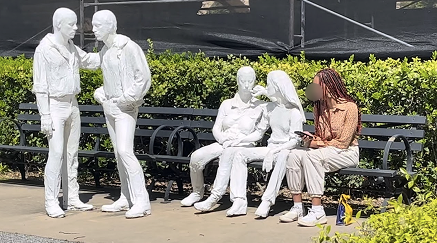
Queer history walking & journaling tour revealed that reflection fosters deeper connection to youth’s queer identity, but an overly educational tone feels detached from their personal emotions.
After rounds of iterations, we decided to focus on bridging queer presence from online data to everyday environments.
We arrived at Encircle Around: The Belonging Map—a map based discovery experience that reveals queer stories in everyday locations youth already move through.
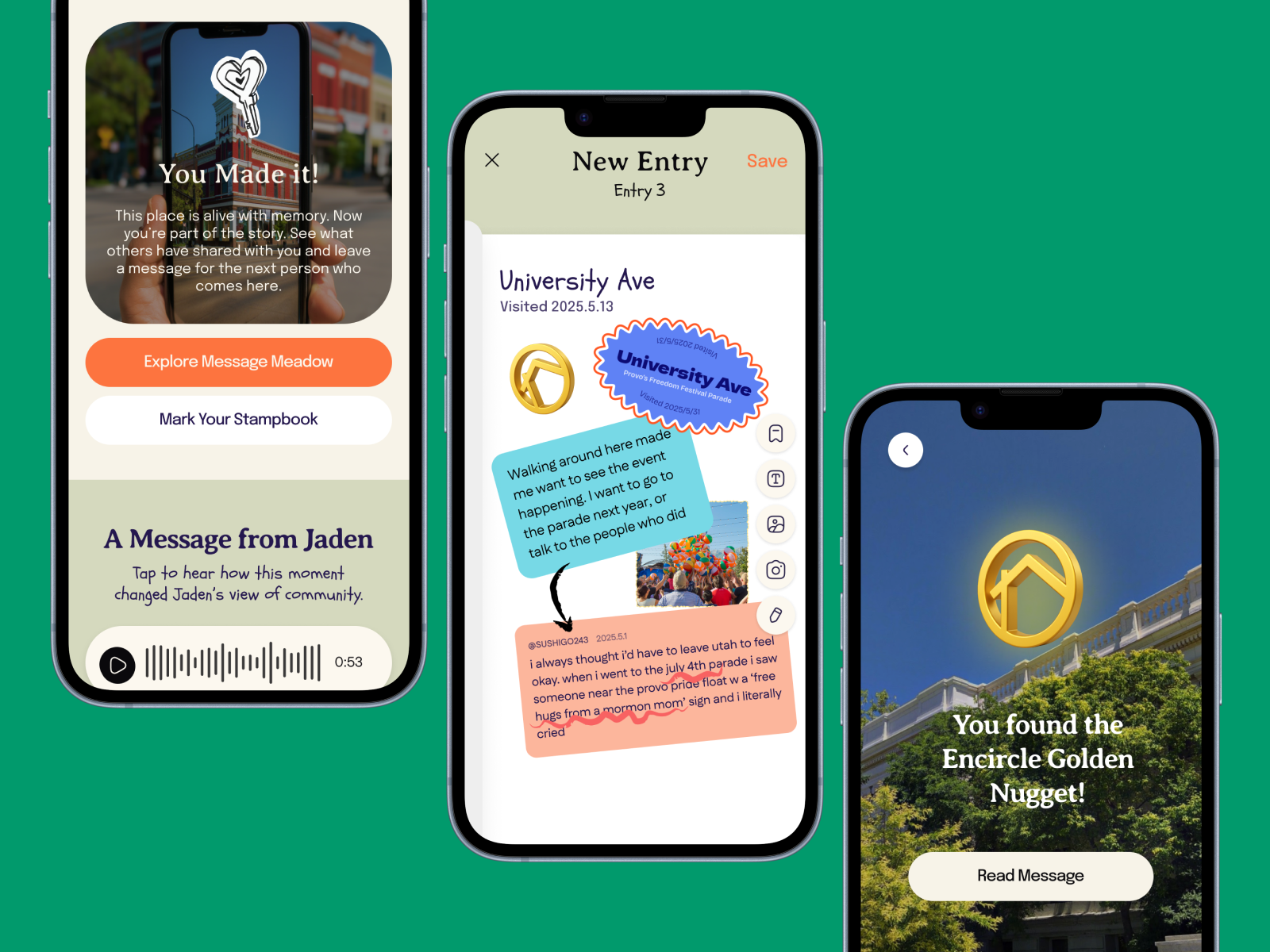
Encircle Around reveals queer community and history embedded in youth's neighborhoods—no face-to-face interaction required. That coffee shop they pass every day? A queer community hub. That street downtown? Site of Provo's first Pride march in 2018. The prototype showcases local locations that real queer youth we interviewed have mentioned.The map shows significant locations to LGBTQ+ culture—contemporary community spaces and historical sites. Each includes context about why it matters, media links, and audio messages from community members sharing their memories to capture that personal connection that motivated our interviewees.
.gif)
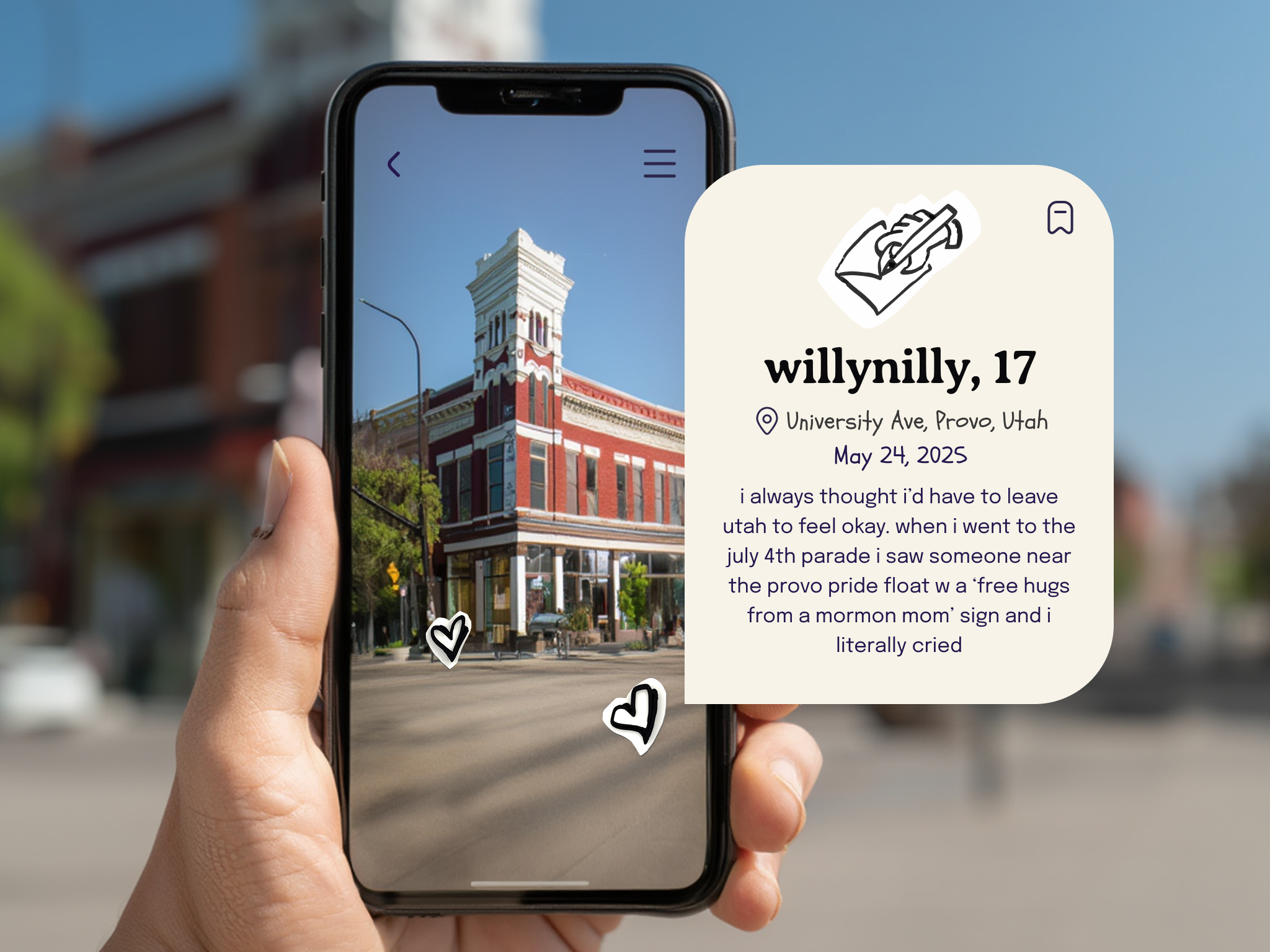
Here's where digital meets physical. When youth actually visit a location, they unlock the Message Meadow—a geolocked AR experience showing floating hearts left by other community members in that exact spot. We don’t ask youth to attend events or meet people. We urge them to take that first step outside of their bedroom towards an in person community.
Each location visited gives a unique stamp for their personal Stampbook—a private space for reflection. Like we found in our earlier prototypes, reflection fosters deeper bond with youth’s queer identity and allows them to create personal connection with the location.
My team and I presented Encircle Around to the Encircle Staff and board members. The app doesn't replace houses— the map becomes a living archive of queer memory and a soft on-ramp to in-person connection—letting youth know that belonging is already around them.The project has now been passed on to Encircle to further collect content from existing volunteers and develop in collaboration with local Utah universities.
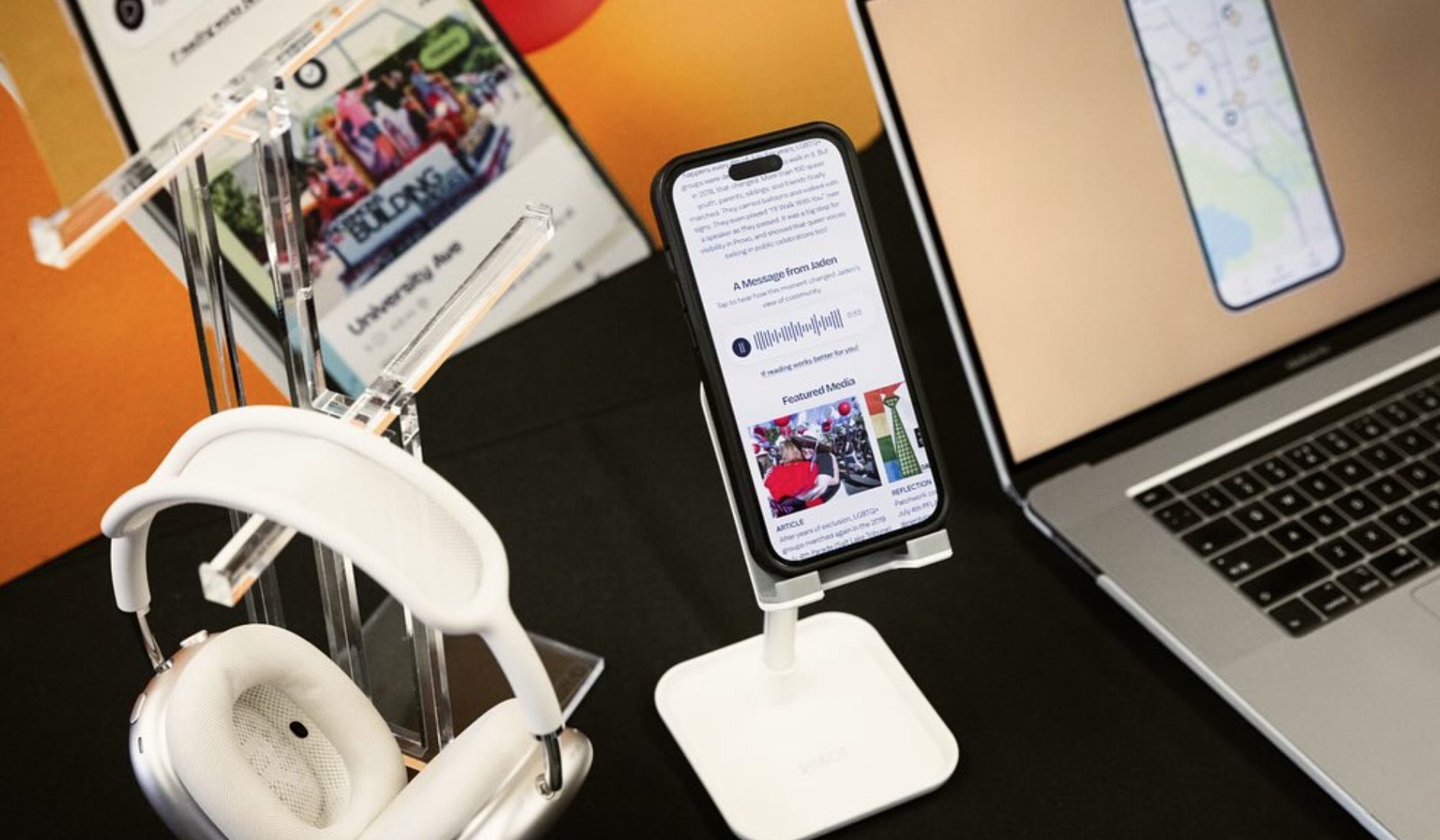
My team also presented Encircle Around at Stanford University’s Annual Design Capstone Showcase, where around a hundred industry leaders, Stanford faculty, and Stanford Design Alumni were present. My team received the Robert H. Mckim Award, which was awarded to two out of the 22 capstone teams of the cohort for outstanding capstone design.

This project pushed me to really think outside of the box through in-depth co-designing processes. Many of our earlier concepts were discontinued due to feasibility and viability constraints within Encircle, but iterating with the Encircle staff and youth helped us reach a better place than before. Additionally, having to ideate within the constraints of the business, political and cultural environment of Utah was a very hard but fun systems design challenge.
Thanks for stopping by! Feel free to connect with me through email
