Reframing home-delivery medication packaging as a behavioral and emotional support system
IA Collaborative Internship | Design Strategy
IA Collaborative Internship | Design Strategy
As a Research & Design Strategy Associate at IA Collaborative, I supported a six-week research and strategy engagement for a leading global pharmaceutical company serving patients in over 100 countries.
The project explored how home-delivery medication packaging could move beyond transport and safety to become an active touchpoint that supports patient confidence, trust, and adherence. Through ethnographic research and synthesis, I helped uncover five strategic insights that reframed packaging as a behavioral and emotional support system—directly informing the client’s strategy and leading to a six-figure follow-on engagement.
As health & wellness startups raise the bar for patient experience, expectations for medication delivery have shifted from purely functional to supportive and human-centered. While the client’s direct-to-patient delivery model was operationally sound, it had not been designed with patient experience or long-term engagement in mind.
The client sought to understand how physical packaging and delivery moments influence medication adherence, emotional reassurance, and trust—particularly for patients managing ongoing care.
Observe how patients interact with delivered medications, identifying friction points, unmet needs, and emotional highs and lows during unboxing and first use.
Explore how packaging cues shape behaviors and emotions such as confidence, trust, and perceived care.
Identify actionable design opportunities that position packaging as a behavioral support system rather than a passive container.
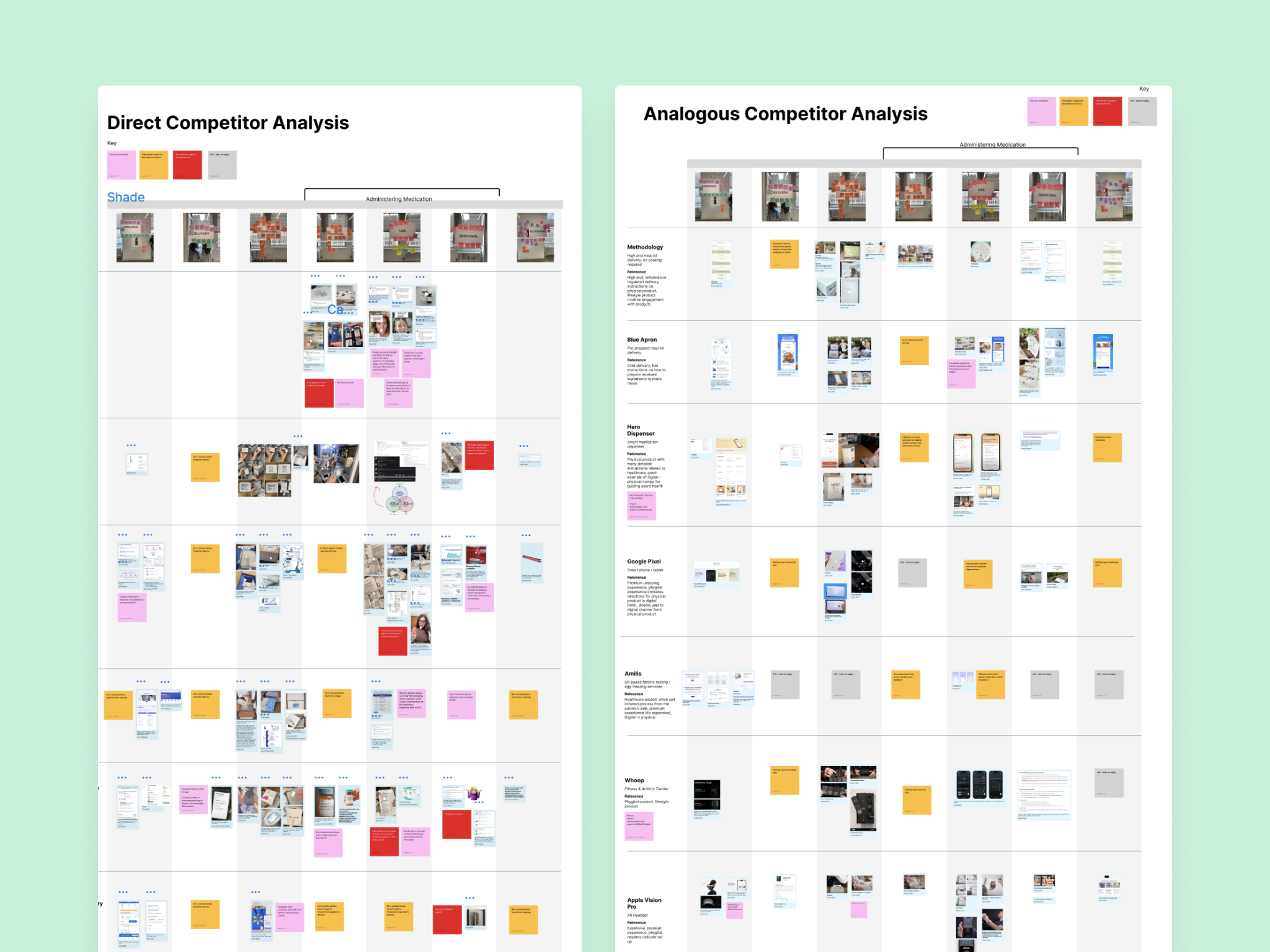
I analyzed direct competitors and adjacent industries (e.g., food, dental health, feminine care) to identify emerging experience patterns and differentiation opportunities. Competitive analysis was shared with client for inspiration and directly influenced design directive directions.
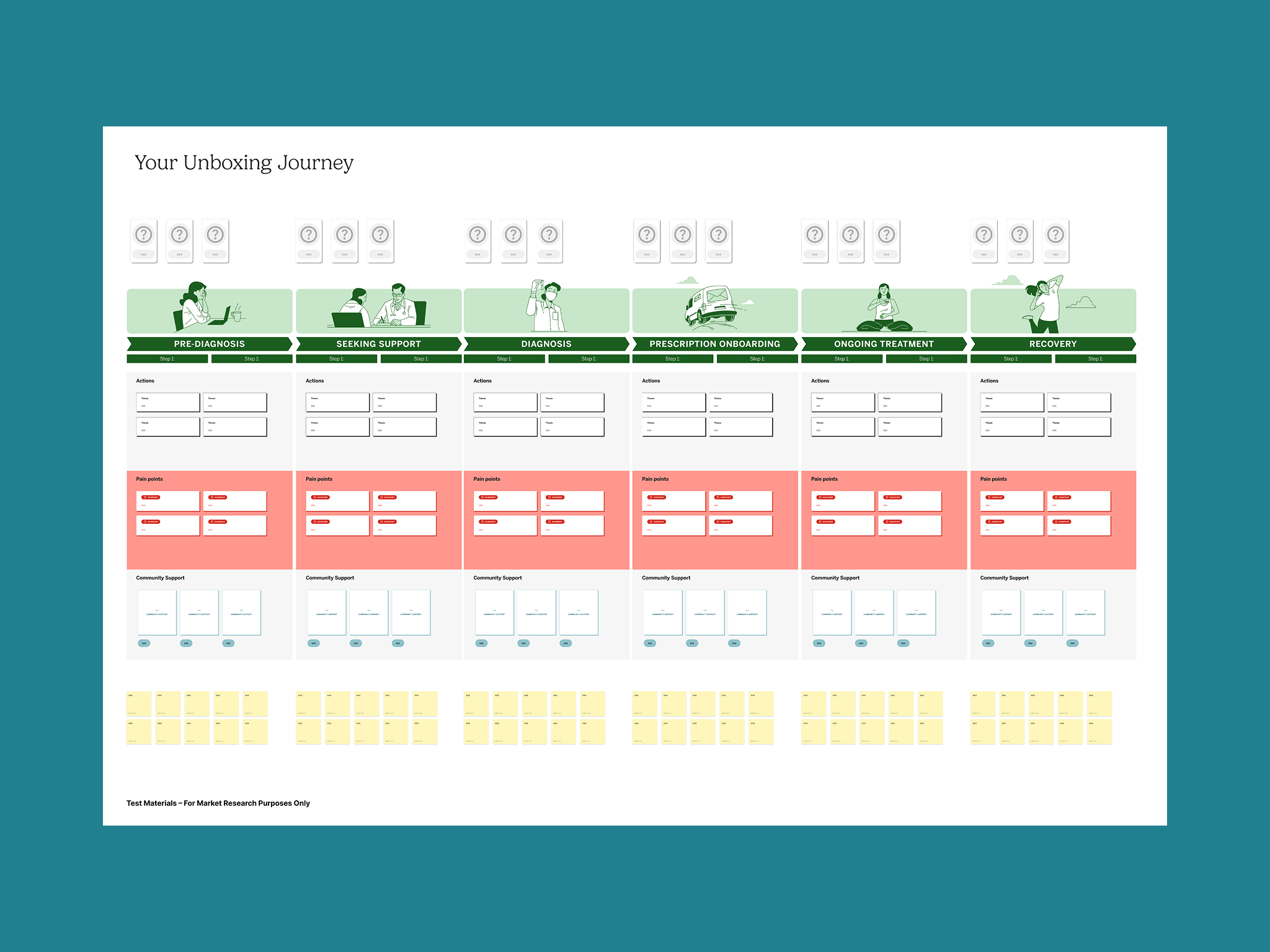
I co-designed and facilitated journey-mapping and experience co-creation exercises during ethnographic research to elicit behavioral and emotional insights around unboxing and first use.
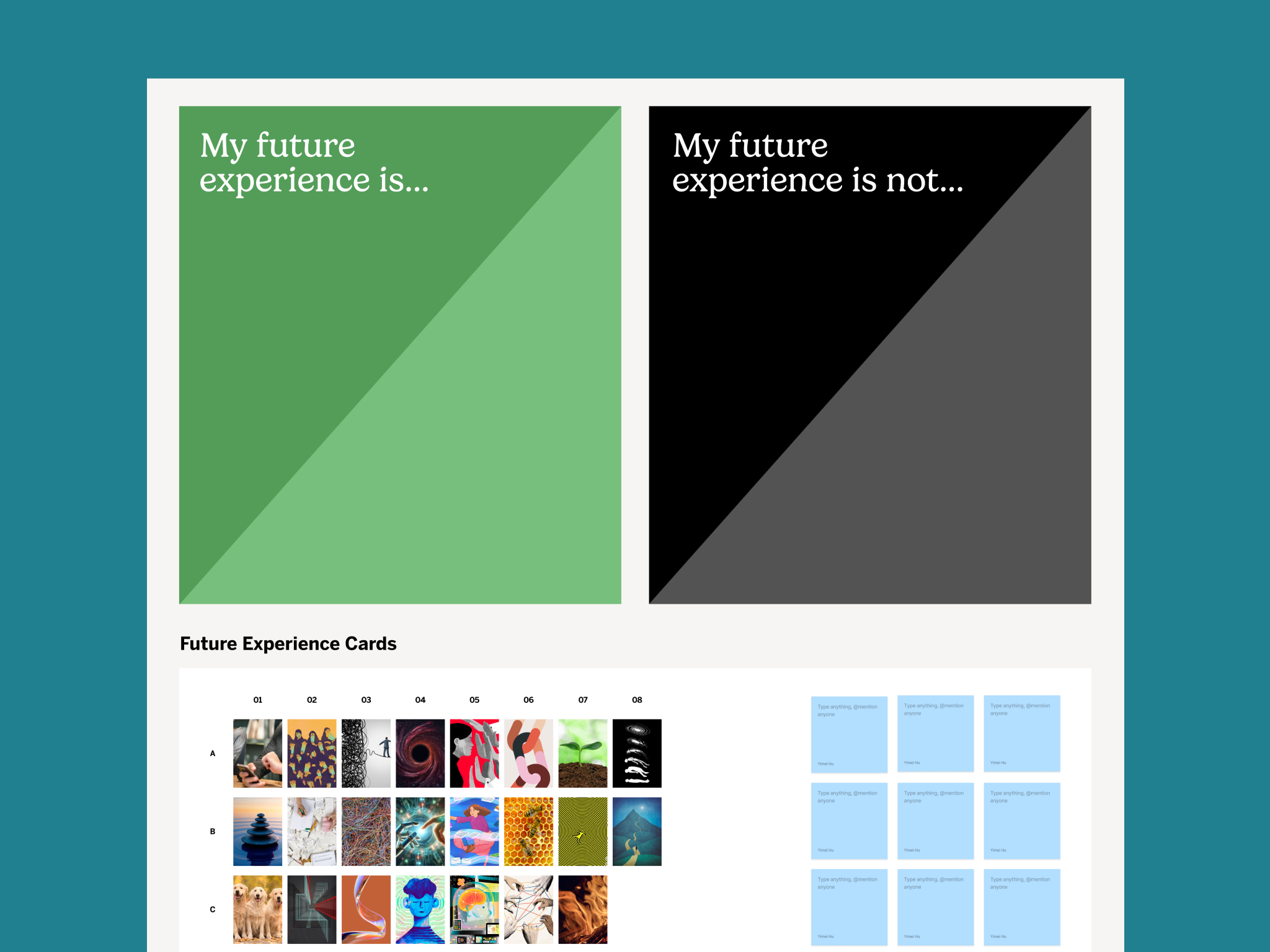
I helped conduct 12 ethnographic interviews (6 in-person, 6 remote), capturing real-world behaviors, workarounds, and emotional responses.
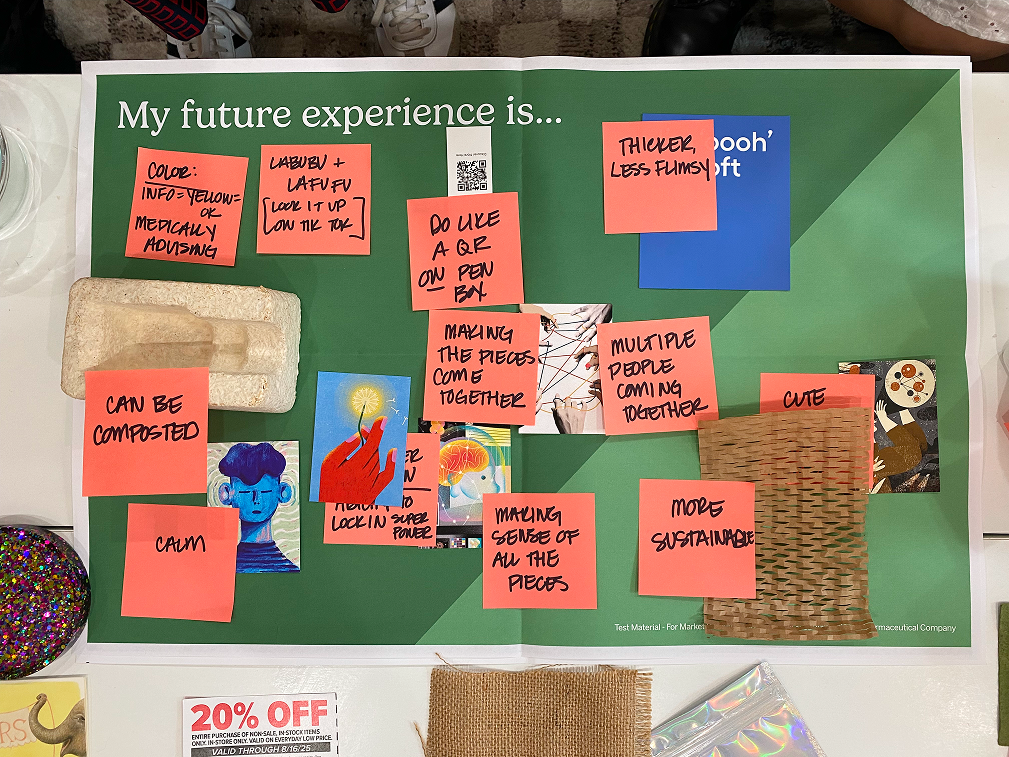
Through hours of synthesis sessions with the team, I helped translated raw qualitative data into clear need statements and insight frameworks, enabling the team to move from observation to strategic direction. Lastly, I co-developed design directives tied to each insight to make research findings actionable.

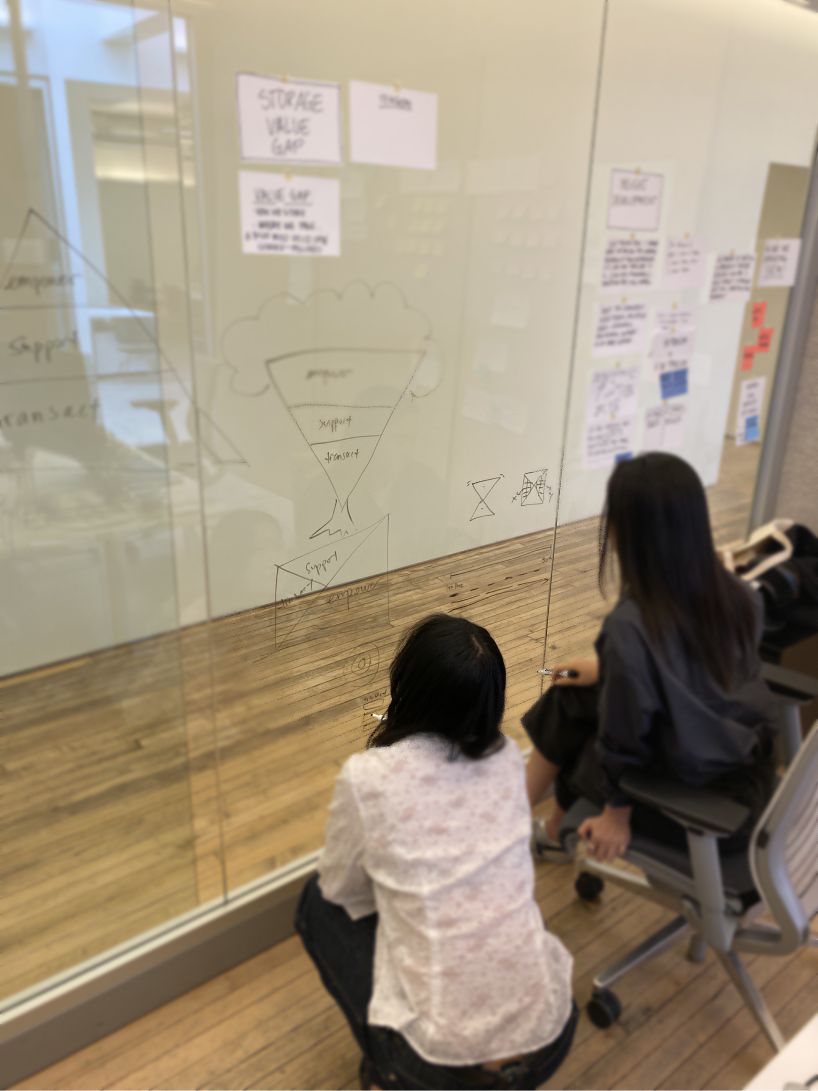
I helped present these findings to executive stakeholders, aligning cross-functional teams around a shared understanding of patient needs and a future-focused vision for the delivery experience.
The work directly informed the client’s strategic roadmap and resulted in a six-figure follow-on engagement to further develop and implement these concepts.By grounding strategy in lived patient experience, I helped align organization values with patients’ emotional neds, making sure that patients feel supported along the way, not just receiving medication.
My time at IA was a deep dive into ethnographic research and qualitative research. In addition to that, being in a consultancy taught me how to translate those messy insights into things that clients could understand. Sense-making out of messy qualitative data was challenging but rewarding—I walked away feeling like a better storyteller.
Thanks for stopping by! Feel free to connect with me through email
